The Best EVs to Buy in 2026
TL;DR:The best EVs to buy in 2026 start at the affordable end with compact city models and reach up to premium SUVs with long range. We rank by cash price and keep Denmark's two car taxes separate: registration tax is built into the price and is effectively DKK 0 for most EVs under roughly DKK 413,000 in 2026, while the green ownership tax is a recurring cost of around DKK 920 per year. The list is broken down by use case so you can quickly find the EV that fits your needs and budget. All prices come from current offers and update continuously.
Thinking about buying an EV in 2026? Your timing is good. The selection of EVs for sale is bigger than ever, prices have fallen, and registration tax keeps most models below the tax threshold — so the cheapest EV today competes directly with a comparable petrol car on price. But a bigger selection also makes the choice harder. The same model can be priced differently from dealer to dealer, and the lowest price is not always the one that gives the most car for your money. So we have put together a curated overview of the best EVs to buy in 2026, broken down by how you use the car — from the cheapest city model to the premium SUV with long range. The list is split into five categories: cheapest EV, small EV, family EV, premium EV, and the most range for your money. Each category shows the best current offers based on live data. We update continuously, so you see what is genuinely for sale right now — not old prices that changed long ago. Our ranking is built on the cash price and open criteria — no paid placement, just the offers that genuinely give the most for your money.
How we picked the best EVs
When you buy an EV, you pay the cash price — either in cash or through a car loan — and then own the car outright. Our selection starts from that cash price and ranks within each category, so you compare cars that solve the same job.
We break the list down by use case rather than just listing the cheapest cars in one long row. A compact city model and a family SUV solve two very different needs, and it makes no sense to compare them on price alone. So you will find a category for pure budget focus, one for small EVs, one for family EVs, one for the premium segment, and one for those who want the most range for their money.
We do not receive payment for highlighting specific cars. The list is compiled automatically from our database of current EVs for sale, and the ranking follows an open method. Click through to an individual offer and you see the full price and specifications, so you can check the details before you decide.
One final principle: look at the total cost over the time you expect to keep the car — not just the headline price. Electricity, insurance, servicing, green ownership tax, and expected depreciation all count. To work through the full maths, see our guide to leasing vs. buying an EV.
Cheapest EV to buy right now
If price matters most and you are flexible on model and equipment, you can find some good deals at the affordable end of the market. The cheapest EVs are typically compact city models with a smaller battery — but they comfortably cover daily commuting and errands, and they are cheap to run.
The big plus of a cheap EV in 2026 is registration tax. Because the political phase-in of a higher rate has been postponed, most EVs under roughly DKK 413,000 effectively land at DKK 0 in registration tax. That is the main reason the cheapest EV today can match a comparable petrol car on price. To understand how the tax is calculated, read our guide to registration tax on EVs in 2026.
Watch the range at the affordable end. A smaller battery means shorter range, and in winter the real figure drops further. If you drive under 80 km a day and can charge at home, a cheap EV is typically an obvious choice.
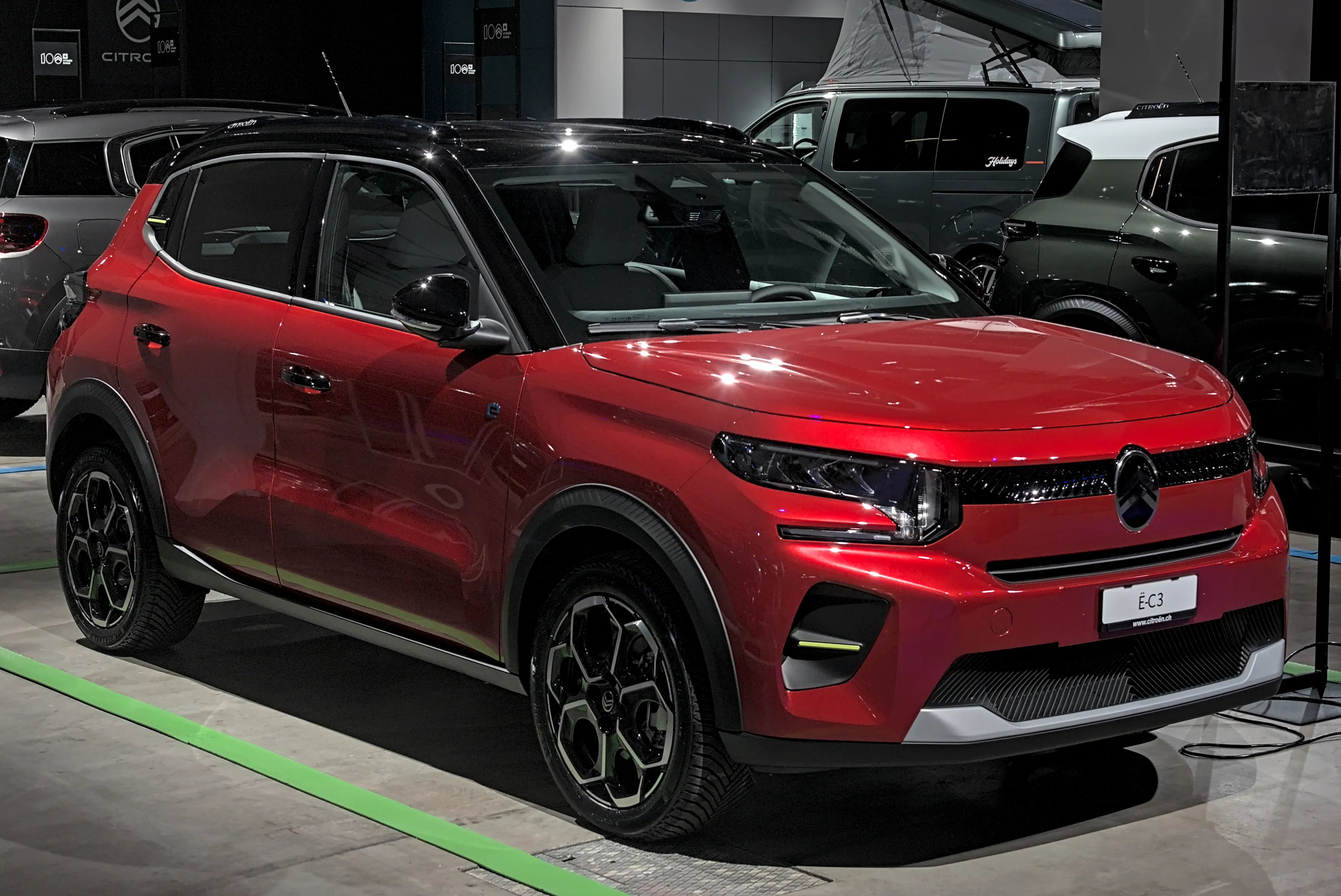
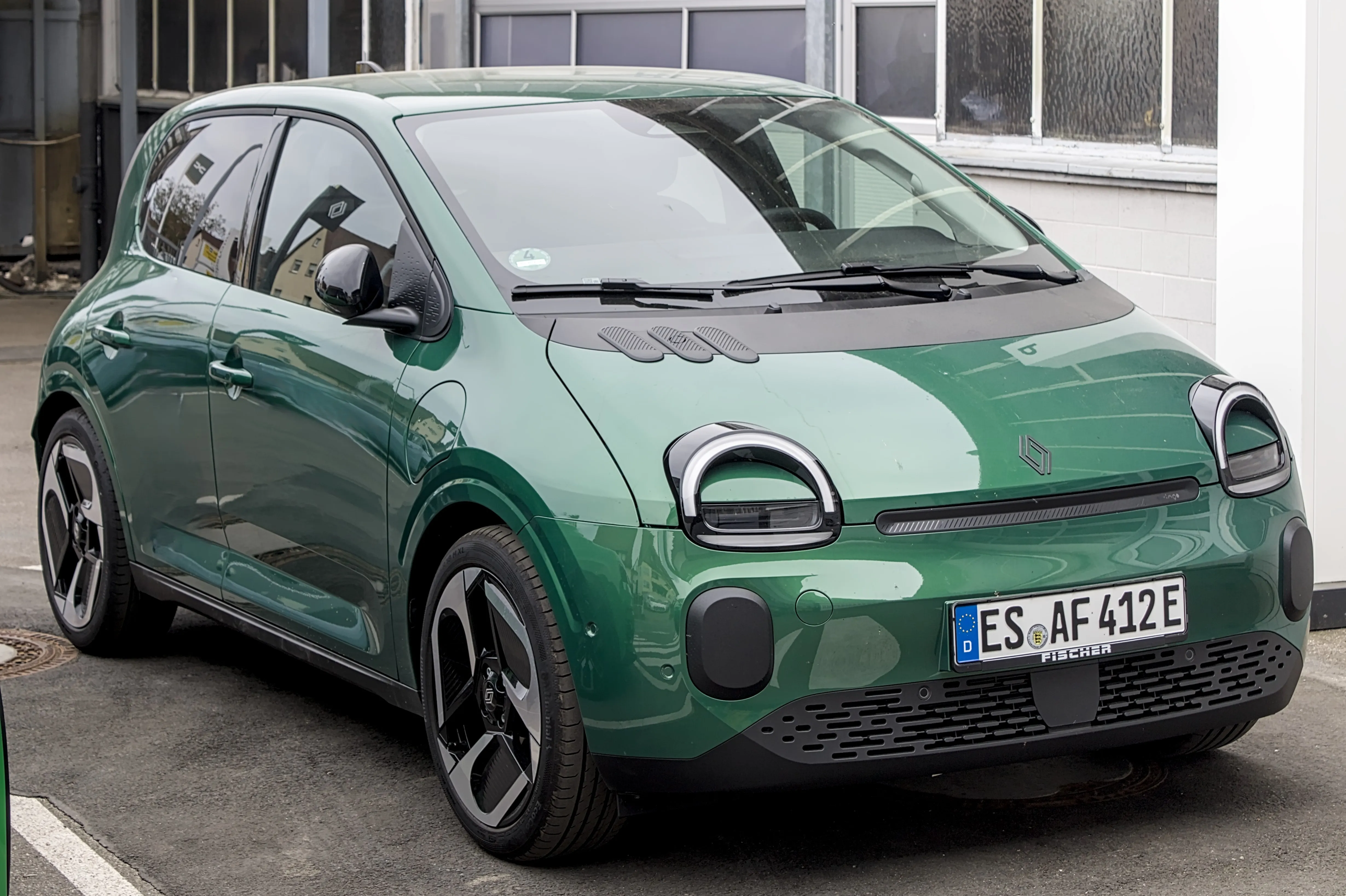
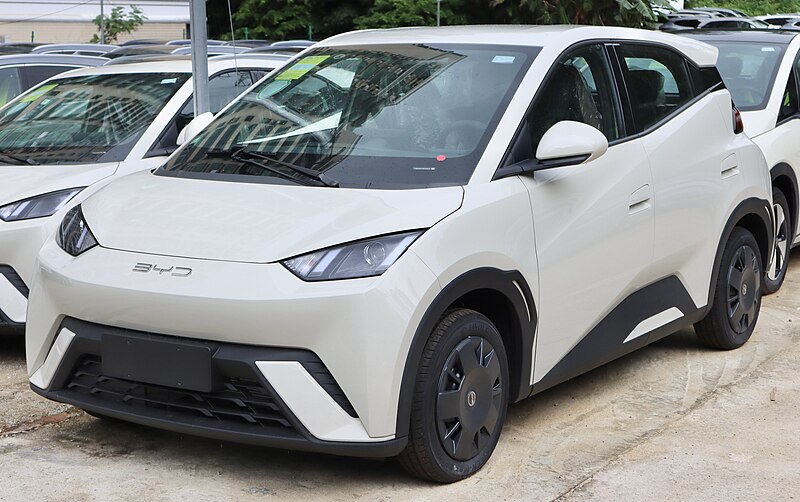
Best small EV to buy
Small EVs are the obvious choice for city dwellers, short commuters, and anyone using the car as a second or first vehicle in a household without regular long-distance trips. With a battery up to around 50 kWh you typically get 250–300 km of real-world range — plenty for everyday driving inside the country.
The upside of a small EV is not just price but everyday flexibility. The short length makes parking and city manoeuvring easier, and the smaller battery charges faster at home on a standard 11 kW wallbox. Watch the winter range — cold and motorway speeds can quickly take a good chunk off the real figure. Be honest about your driving pattern and choose a car that covers your longest regular trip with margin. We have a full guide to EV range in winter.
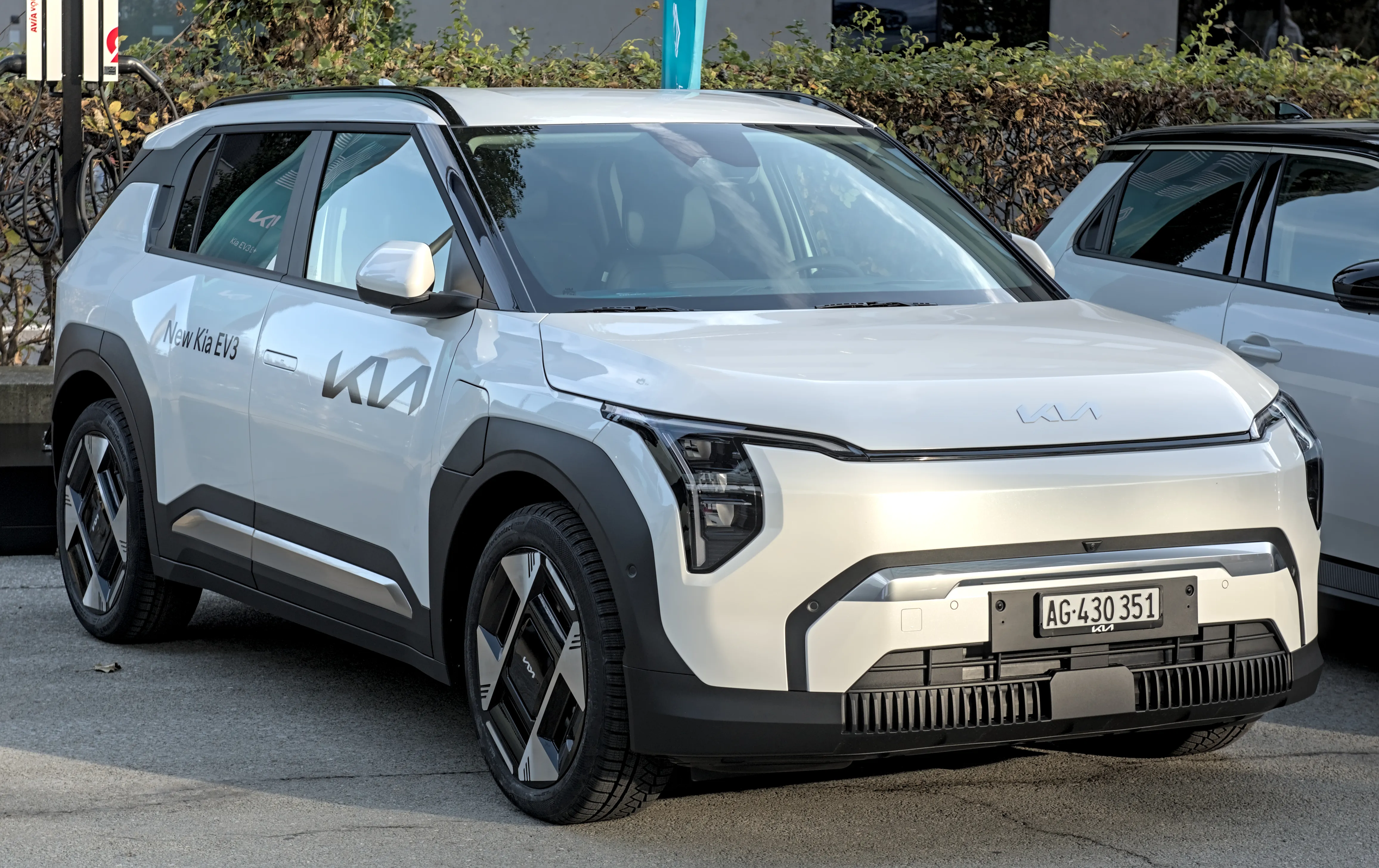
Best family EV to buy
Family EVs are built for demanding everyday life: pram in the boot, isofix for child seats, room for a dog or grandparents in the back row, and enough range for both German holidays and extended weekends in Sweden. With a 75 kWh battery and up, and typically 5–7 seats, most family EVs deliver real-world range of 400–550 km in summer.
Beyond range it is worth checking boot size, towing capacity, and whether the car is allowed to tow the caravan or trailer you already have. Many families only realise after the fact that their new EV cannot tow their existing trailer — always check the towing weight before you sign.
Expect a higher cash price than the small models. In return you get markedly more car, and if you drive a lot with children and luggage, the premium pays for itself in space and flexibility.
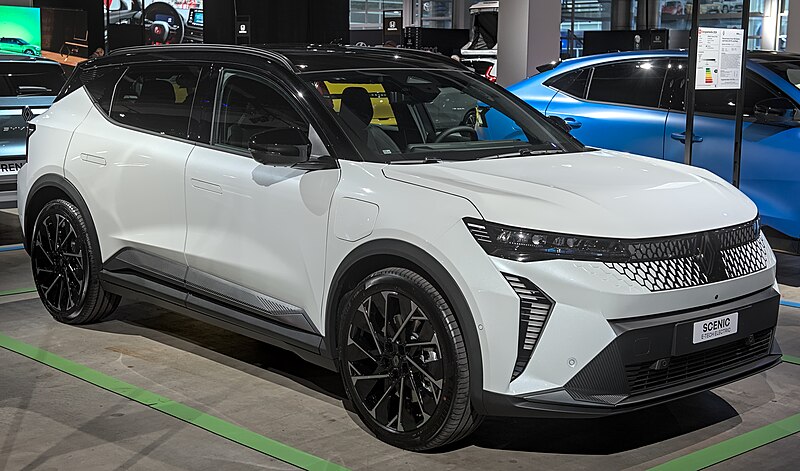
Best premium EV to buy
Premium EVs are for those who want more equipment, better materials, and a stronger driving experience as part of the package. This is where finish, comfort, and technology sit a level above the mainstream segment — and where the cash price climbs with it.
Note that registration tax begins to bite for the more expensive EVs. Above the tax threshold of roughly DKK 413,000, the tax grows and makes up a larger share of the price the more expensive the car is. That is a real line in the maths for the premium segment — unlike the cheaper models, where the tax is effectively zero.
Insurance and servicing are typically more expensive in the premium segment too, so expect a higher running cost than on a mainstream EV. Look at the total economics over the full ownership period, not just the purchase price.
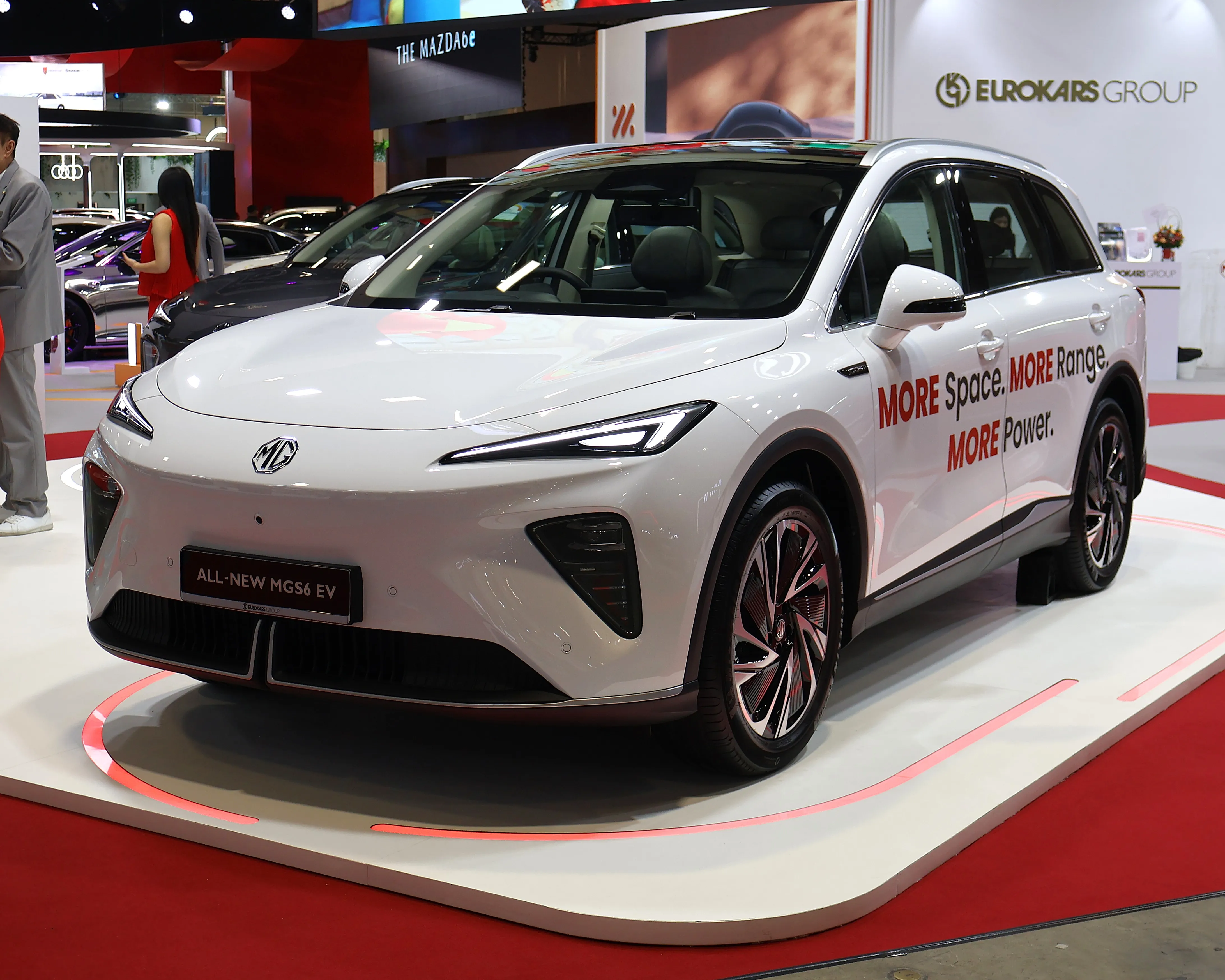
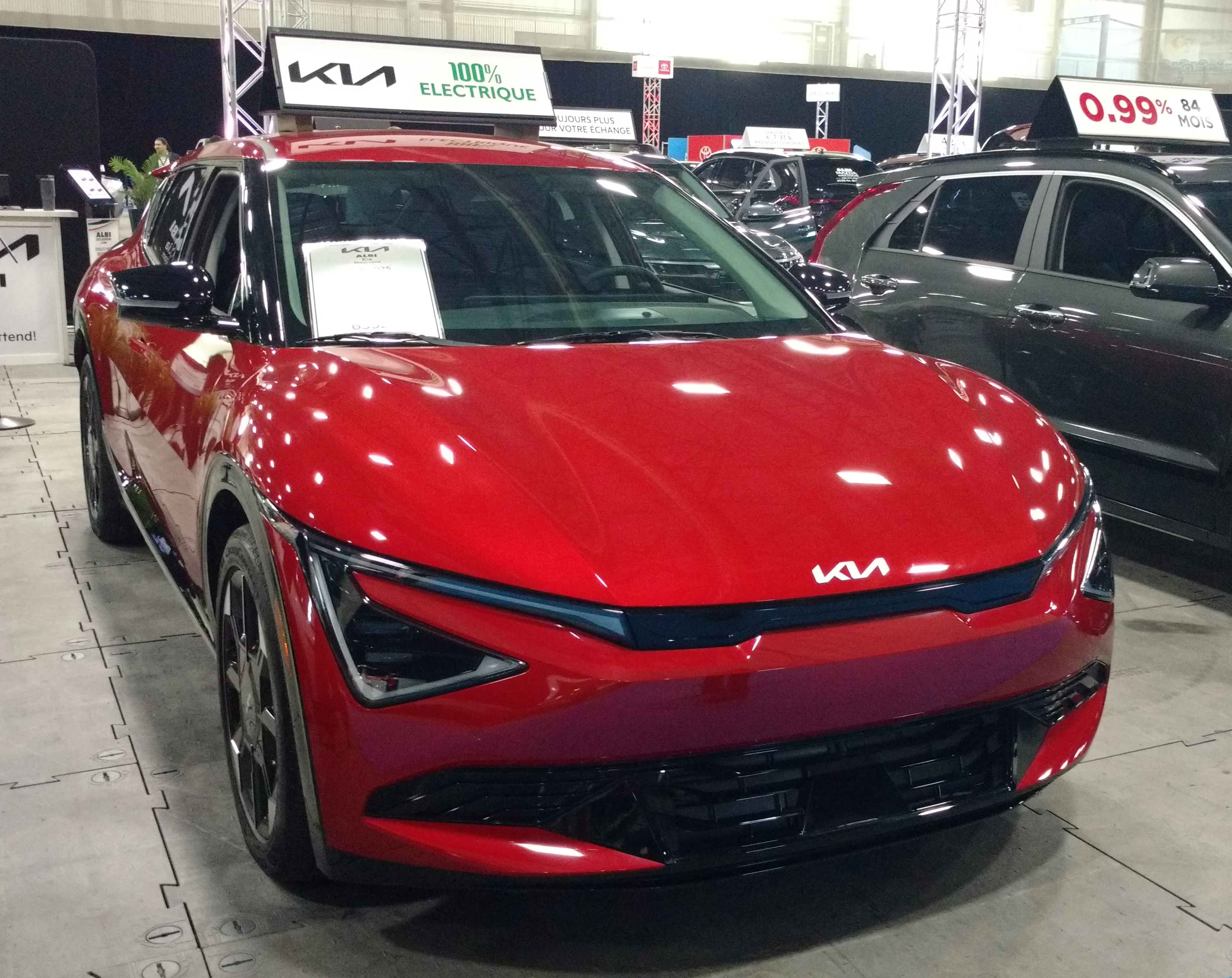
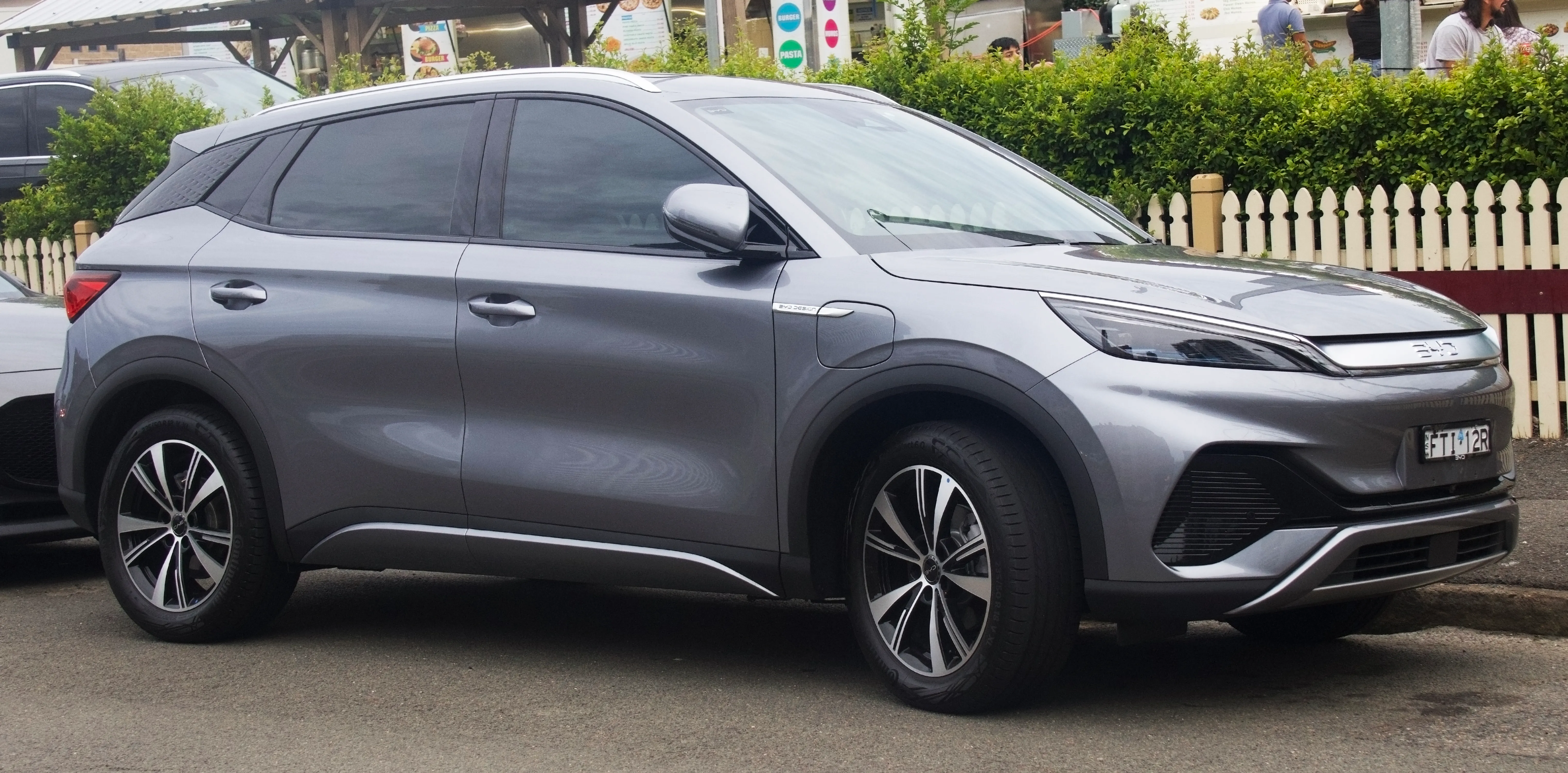
The most range for your money
If you regularly drive far — long commutes, frequent cross-country trips, or holidays abroad — range is what matters most in everyday life. In this category we rank by how many kilometres you get for your money, so you find the EVs that combine large real-world range with a sensible cash price.
Remember that the WLTP figure is measured under ideal conditions. In winter the real range drops, and heavy motorway driving drops it too. Choose a car that covers your longest regular trip with good margin — even on a cold day. Fast charging matters a lot here: a car that charges at 150 kW or more on a fast charger makes the long trip markedly more practical than a model that tops out lower.
And if you have access to charging at home or work, range worries become far less relevant day to day — then it is really only the longest trips the battery needs to handle in one stretch.
How to use this guide
You now have five categories and a range of current offers to compare. Here is how to move forward in three steps:
1. Find your category. Think realistically about how you use a car day to day. Short commute and two adults in the household? Small EV or the cheapest category. Family with regular long-distance trips? Family EV. Drive far every day? Start in the most-range category. If you are torn between two categories, read both — it is easier to choose the best in each category than to choose between everything at once.
2. Check the list for current offers. The list updates continuously, so you see what is genuinely for sale now. Do not just look at the price; think about range, charging speed, and battery warranty too. Two cars at the same price can fit your everyday life very differently.
3. Click through to the individual offer. There you see the full price, the specifications, and the dealer. Check the battery warranty, winter range, and your home charging setup before you decide — those are the things that matter most for whether you are happy with the car day to day.
Considering leasing as an alternative to buying? Or want to understand the taxes before you set your budget? Use the related pages below.
Frequently asked questions
The cheapest EV is typically a compact city model with a smaller battery. Because most EVs under roughly DKK 413,000 effectively have DKK 0 in registration tax in 2026, the cash price has become competitive with a comparable petrol car. You will find the genuinely cheapest current model in the 'Cheapest EV to buy right now' category above — the list updates continuously, so the price is the one that applies now.
The list updates continuously with current offers from the dealers and sources we index. The cars you see are genuinely for sale now, and prices that change are updated automatically. The best deals can disappear quickly, though — if in doubt, act sooner rather than later.
Registration tax is already built into the cash price you see at the dealer — you do not get a separate bill. For most EVs under roughly DKK 413,000 the tax is effectively DKK 0 in 2026, because the phase-in of a higher rate has been postponed. For more expensive EVs above the threshold, the tax begins to bite and grows with the price. We cover the calculation in detail in our guide to registration tax on EVs in 2026.
They are two different taxes, and they are often confused. Registration tax is a one-off paid when the car is first registered — it is built into the cash price. Green ownership tax is a recurring annual tax you pay for as long as you own the car, and it is around DKK 920 per year for a typical EV in 2026. It is billed twice a year via the Danish Motor Agency. Both are lower for EVs than for comparable petrol and diesel cars.
The most important things are winter range, charging speed and your home charging setup, the battery warranty, and — when buying used — the battery's state of health and the car's history. Also look at the total economics over the time you expect to keep the car: electricity, insurance, servicing, green ownership tax, and expected depreciation. Our guide on how to buy an EV in Denmark walks through it all step by step.
It depends on how you use the car. Buying suits you best if you drive a lot, keep the car for a long time, and want to own it outright. Leasing suits you better if you want a fixed, predictable monthly cost and to switch cars every three or four years without worrying about residual value. The key difference is who bears the risk of what the car is worth in a few years — when you buy, it is you; when you lease, it is the leasing company. We compare the two head to head in our guide to leasing vs. buying.
Ready to find your next EV lease?